


What is healthspan?
Most Australians over 65 say the same thing when asked what they want for the decades ahead: “I want to stay independent, active, sharp and connected.”
That desire speaks directly to healthspan – the number of years lived in good health, free from major disease, disability or cognitive decline. It’s very different from lifespan, which simply counts how long you live.
Australia’s average lifespan is now over 83 years (AIHW, 2024). But healthspan? That’s often 10–15 years shorter. Many people spend their final decade managing multiple chronic conditions, mobility limitations, pain, or cognitive changes. The goal of modern healthy ageing is to close that gap – to add life to years, not just years to life.
This blog explores what healthspan really means, why it matters, and how older adults can protect it.

Do You Know Your Numbers?
Knowing your personal health markers is one of the simplest ways to protect healthspan.
The Pillars of Healthspan
1. Movement: The Most Powerful Medicine
Exercise is the single strongest predictor of healthy ageing. The Australian Government recommend:
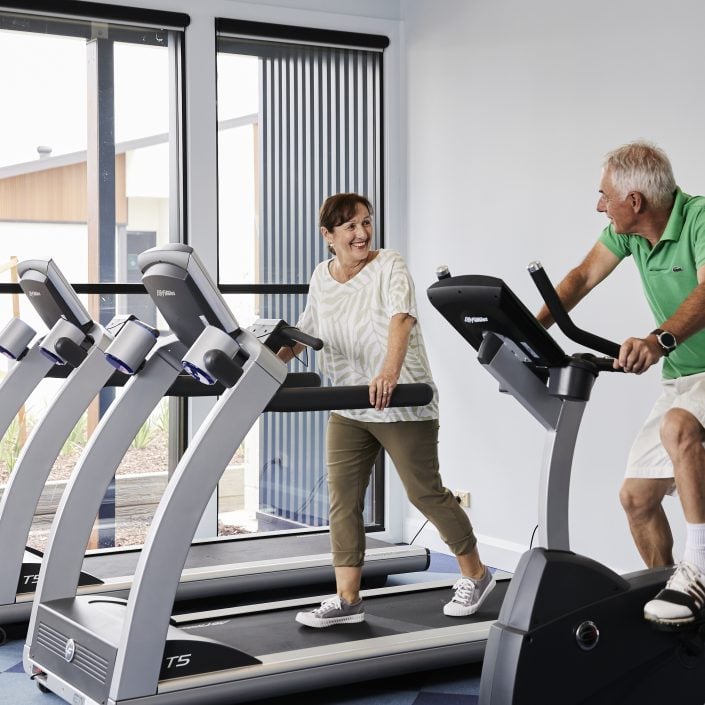
- Strength training 2–3 times per week
- Balance training 3+ times per week
- Aerobic activity most days
- Daily mobility and stretching
Strength training is especially important. After 65, muscle loss accelerates — but it’s reversible. Even small amounts of resistance exercise can rebuild strength, improve balance, reduce falls, and support brain health.
Why not try a “movement audit” – how many minutes did you move yesterday? Aim for 30 today.
2. Nutrition: Fuel for Longevity
Older adults often need more protein, more hydration, and more fibre than they realise.
Key principles:
- Aim for 25–30g of protein per meal (CSIRO).
- Drink water regularly – thirst declines with age.
- Eat colourful vegetables for antioxidants.
- Include calcium and vitamin D for bone strength.
- Choose whole foods over processed ones.
Nutrition is one of the easiest ways to improve energy, mood, muscle strength and cognitive function.
3. Cognitive Health: Use It or Lose It
Brain health is deeply connected to lifestyle.
Activities that support cognitive vitality include:
- learning new skills
- social engagement
- music and rhythm
- puzzles and word games
- regular movement
- good sleep
- managing stress
The Dementia Australia guidelines emphasise that cognitive stimulation can delay or slow decline.
Quick test: Name five things in the room that are blue – a quick attention and memory warm‑up.
4. Social Connection: A Protective Factor
Loneliness increases risk of:
- heart disease
- depression
- cognitive decline
- frailty
- early mortality
Staying socially connected is as important as exercise.
Ways to build connection:
- join a walking group
- attend community classes
- volunteer
- call a friend daily
- participate in local clubs
- share meals with others
Humans are wired for connection – it’s medicine.
5. Sleep and Recovery
Sleep affects memory, mood, immunity, and metabolic health.
Older adults often experience:
- lighter sleep
- more night waking
- changes in circadian rhythm
Improving sleep hygiene – consistent routines, morning sunlight, reducing caffeine – can significantly improve healthspan.
The Role of Purpose and Meaning

Healthy ageing isn’t just physical. Purpose, identity and meaning matter deeply.
Research from the Australian Centre for Positive Ageing shows that older adults with strong purpose:
- stay more active
- recover faster from illness
- maintain better cognitive function
- report higher wellbeing
Purpose can come from relationships, hobbies, volunteering, creativity, or learning.
What You Can Do This Week
- Check your blood pressure.
- Add one strength exercise to your day.
- Drink an extra glass of water.
- Call someone you care about.
- Learn one new thing.
- Walk for 10 minutes.
- Eat a protein‑rich breakfast.
Small steps compound into big changes.
References
- Australian Institute of Health and Welfare (AIHW), 2024
- Heart Foundation Australia
- AusActive Guidelines for Older Adults
- CSIRO Protein and Ageing Research
- Dementia Australia Healthy Brain Guidelines
- WHO Healthy Ageing Framework