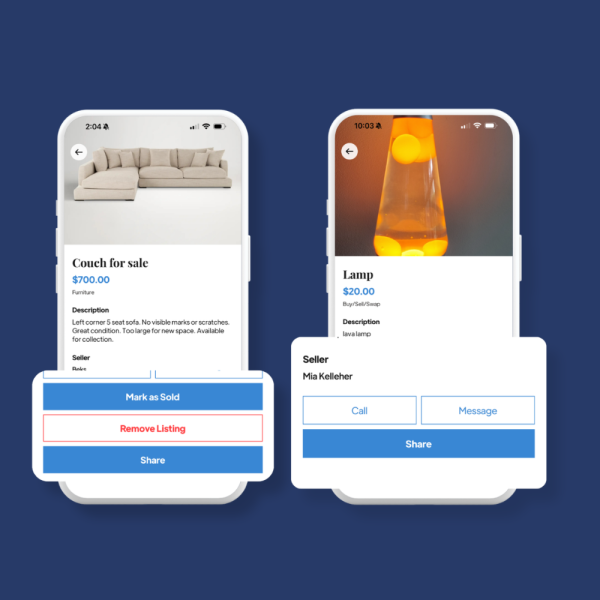
New App feature launch: Marketplace on the Lincoln Lifestyle Resident App
Marketplace has landed on the Lincoln Lifestyle App, giving residents a simple way to buy, sell or give away items within their community.

Real People, Real Smiles

This Spring, your move starts with a $10k* saving and only $5k* deposit
Now is a great time to get out, explore and see how Lincoln Place communities are evolving.
Homes Selling in VIC
Homes Selling in QLD
Just $5k deposit & $10k rebate on selected houses

Get Early Access to Home Releases
We know that Lincoln Place Lifestyle Estates are a great place to live— so we’re giving you the chance to secure your ideal home before anyone else.
Joining is easy—and it puts you one step closer to the lifestyle you’ve been waiting for.
Try our Calculators
Quizzes
Considering a change?

Schedule a Private Tour
There’s nothing quite like visiting in person. Come and see Lincoln Place for yourself and discover the moments that bring our neighbourhoods to life.
Land Lease Model
Buying & Selling Guides
Limited-time offer

Why Lincoln Place
At Lincoln Place, we empower Australians to live life well within thoughtfully designed over-50s neighbourhoods that offer peace of mind, genuine connections and the everyday joy of life’s simple pleasures.
Book a Private Tour

Stay Up to Date
Stay ahead of the market - be the first to hear about new properties, exclusive events, market updates, and special offers.
People also search for...
For some people, planning retirement living and downsizing is an emotional decision. For others, it’s a decision they want to get right.
If you’re someone who likes to do your research, compare your options and think carefully about the future, you’re not alone. Many Australians spend months, sometimes years, exploring different lifestyles, communities and ownership models before making a move.
The good news? You don’t need to have all the answers today.
Taking the time to understand your options can help you move forward with confidence when the time is right.

When planning your next move, it’s easy to focus on the home itself.
While these things matter, it’s just as important to think about how you want to live.
The most successful moves start with a vision for the lifestyle you want to create, then finding a home that supports it. After all, you’re not just choosing where you’ll live. You’re choosing how you’ll live.
One of the first things when planning retirement living is comparing different living options:
They all work differently, and understanding those differences can help you make a more informed decision.
The more you learn about ownership structures, fees and long-term considerations, the easier it becomes to identify which option aligns with your goals.

Purchasing a home is one of the biggest financial decisions most people make, so it’s natural to want clarity.
Future planners often look beyond the purchase price and ask bigger questions:
Understanding the complete financial picture can help remove uncertainty and make future planning much easier.
The goal isn’t simply finding the cheapest option; it’s finding the option that allows you to live comfortably and confidently.
Two communities can look similar on paper while offering very different lifestyles.
That’s why it’s important to consider more than just the numbers.
Think about:
Look at Peter and Lucy Taylor, when they began exploring their options, they weren’t simply looking for a smaller home. They wanted a home that would support their hobbies, offer enough space for family visits and continue meeting their needs for years to come.
Taking this broader view helped them make a decision they still feel confident about today, eventually settling on a spacious double garage home at Lincoln Lifestyle Griffith Hill.
“We were worried the move would be challenging, having accumulated a lifetime of belongings. The extra storage is brilliant. I’ve also got a bench in [the garage] where I can potter around with my hobbies. ”
Their story shows that the best choice is often the one that supports your lifestyle now and your future plans.
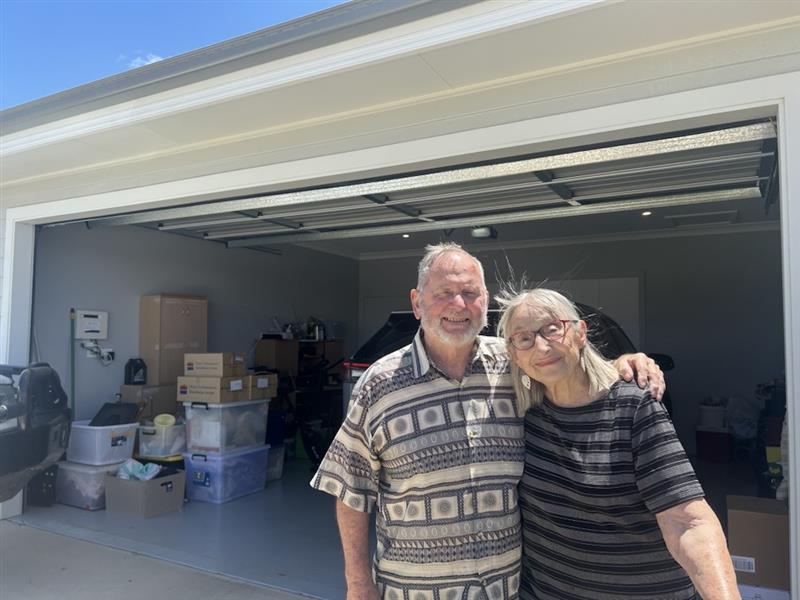
The spacious double garage in their ‘Wilson’ home design has made all the difference for the couple
Having too many options can sometimes make decision-making harder. That’s why creating a simple shortlist can be so valuable.
Start with what matters most to you:
Once you have a clear set of criteria, it becomes much easier to compare communities objectively and narrow your options.
Remember, you’re not looking for the picture-perfect solution someone else has in mind for you. You’re looking for what’s actually the right fit for your life.
It’s traditionally for those who take a thoughtful, forward-looking approach and want to make the right decision for the long term.
For example, some of our residents valued careful planning, informed decision-making, and long-term security. They we focused on future-proofing your lifestyle, finances, and overall wellbeing, ensuring their next move supports the life they want for years to come. What to look for:

One of the biggest advantages of planning retirement living ahead is having the freedom to make decisions without pressure.
The more time you give yourself to explore, research and compare your options, the more confident you’re likely to feel when it’s time to move forward.
Like many Lincoln Place residents, you may find that the best decision isn’t the fastest one. It’s the one that gives you confidence in the future you’ve worked hard to build.
Marketplace has landed on the Lincoln Lifestyle App, giving residents a simple way to buy, sell or give away items within their community.

A new approach to life after 50 Today’s downsizers are looking for more than just a new home. As recently featured on 7NEWS, many are...