






In partnership with Wini Health
Most Australians grew up hearing that protein was mainly for athletes, bodybuilders or “big eaters”. But modern research paints a very different picture. For adults over 65, protein is one of the most important nutrients for healthy ageing, supporting muscle strength, bone health, immune function, wound healing, and even cognitive vitality.
In fact, the CSIRO, Dietitians Australia and leading gerontology researchers now describe protein as a “longevity nutrient” – something older adults need more of, not less.
This article explores why protein needs increase with age, how much is enough, where to get it, and simple ways to meet daily targets without feeling overwhelmed. Looking for a diet partner? You can now access exclusive CSIRO Total Wellbeing Diet offers directly through Wini.
Why protein matters more after 65
As we age, our bodies become less efficient at using protein. This natural change is called anabolic resistance, meaning the muscles don’t respond as strongly to protein intake as they did in younger years.
This leads to:
- gradual muscle loss (sarcopenia)
- reduced strength
- slower walking speed
- increased falls risk
- reduced independence
- poorer recovery from illness or injury
But here’s the good news: eating more protein and doing regular strength training can reverse much of this decline.
Protein also supports:
- bone density
- immune function
- skin integrity
- wound healing
- metabolic health
- cognitive function
It’s one of the simplest ways to protect healthspan.
How much protein do older adults need?
Australian guidelines for younger adults recommend around 0.8 g of protein per kilogram of body weight per day. But this is not enough for older adults.
The CSIRO, European Society for Clinical Nutrition and Dietetics (ESPEN), and Dietitians Australia recommend:
1.2-1.6 g of protein per kilogram of body weight per day
For most older adults, this means:
- Women: 70-90 g per day
- Men: 80-110 g per day
Higher amounts may be needed for:
- people recovering from illness
- people with chronic disease
- people doing strength training
- people with low appetite
- people with frailty
This is significantly more than most older Australians currently consume.
Interactive check-in: are you getting enough?
Think about yesterday. Did you eat:
- eggs
- yoghurt
- milk
- cheese
- chicken
- fish
- legumes
- tofu
- nuts
- seeds
- beef
- pork
- protein-rich grains (quinoa, oats)
If you didn’t include protein at every meal, you may not be meeting your needs.
Try this quick test:
Did you eat at least 25-30 g of protein at breakfast, lunch and dinner?
If not, you’re not alone – most older adults fall short at breakfast and lunch.
What 25-30g of protein looks like
This is the amount older adults need per meal to stimulate muscle repair and growth.
Here are practical examples:
- 2 eggs + Greek yoghurt (28 g)
- High-protein yoghurt + nuts (25–30 g)
- Cottage cheese on toast (25 g)
- Protein smoothie with milk, yoghurt and oats (30 g)
- Chicken sandwich with extra chicken (30 g)
- Lentil soup + cheese (25–30 g)
- Tuna salad (30 g)
- Tofu stir-fry (25–30 g)
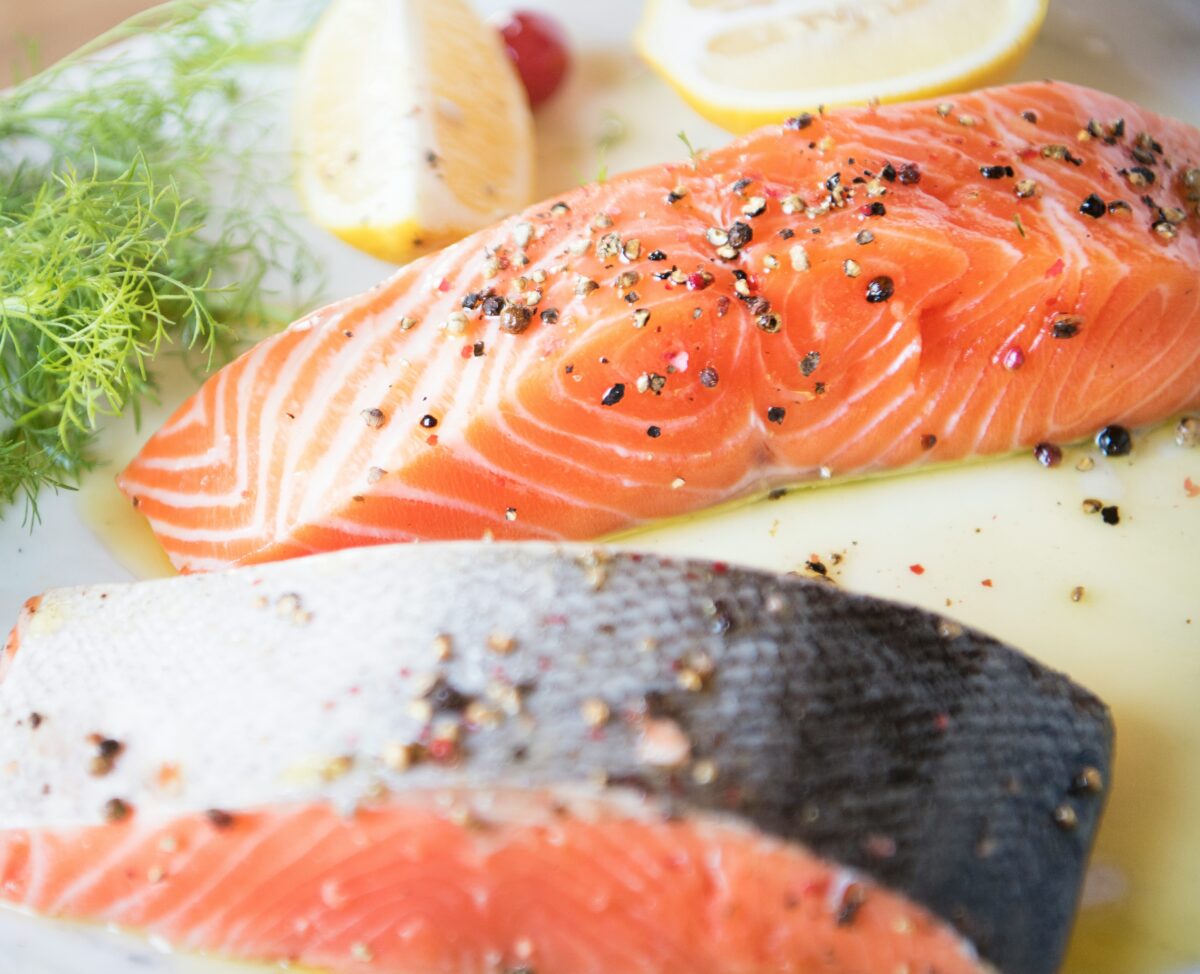
- Salmon fillet (30 g)
- Lean beef mince meal (30 g)
- Chickpea curry + yoghurt (25–30 g)
- Pork stir-fry (30 g)
- Cheese and crackers (10 g)
- Nuts (6–8 g)
- Milk coffee (8–10 g)
- Protein yoghurt (15–20 g)
Small additions make a big difference.
Why protein helps prevent falls
Falls are the leading cause of injury-related hospitalisation for older Australians (AIHW, 2024). Protein helps prevent falls by:
- maintaining leg strength
- improving balance
- supporting reaction time
- reducing frailty
- improving bone density
When combined with strength training, protein is one of the strongest protective factors against falls.
Protein and cognitive health
Emerging research shows that protein supports brain health by:
- stabilising blood sugar
- supporting neurotransmitter production
- reducing inflammation
- improving energy levels
- supporting muscle mass (which is linked to cognitive function)
Older adults with higher protein intake often have better attention, memory and mood.
Common barriers and simple solutions
Movement reduces dementia risk through:
- improved cardiovascular health
- reduced inflammation
- better blood sugar control
- stronger neural connections
- improved sleep
- reduced depression and anxiety
The Lancet Commission on Dementia Prevention lists physical activity as a top protective factor.
Even starting in your 70s or 80s makes a difference.
Why not try to build a Protein Day
Try designing a day with 90 g of protein:
- Breakfast: 2 eggs + yoghurt (28 g)
- Lunch: Tuna sandwich (30 g)
- Dinner: Chicken stir-fry (30 g)
- Snack: Nuts (6 g)
You’ve met the target.
Should Older Adults Use Protein Supplements?
Protein powders or ready-made shakes can be helpful for:
- people with low appetite
- people recovering from illness
- people with frailty
- people who struggle to meet targets through food
But they’re not essential. Whole foods are ideal.
If using supplements, choose:
- whey protein
- high-protein yoghurt drinks
- ready-made shakes with 20–30 g protein
If you’re unsure, speak to a GP or dietitian.
The Most Important Message
Protein is not just about muscles. It’s about strength, independence, confidence, cognition and longevity.
For older adults, the goal is simple: Eat protein at every meal.
Aim for 25–30 g per meal. Choose foods you enjoy. Combine protein with strength training.**
Small changes create big improvements in healthspan.
References
- CSIRO – Protein and Healthy Ageing
- Dietitians Australia – Protein Requirements for Older Adults
- Australian Institute of Health and Welfare (AIHW), 2024
- ESPEN Guidelines on Clinical Nutrition in Geriatrics
- WHO – Nutrition for Healthy Ageing